

Working Places
Crystal Lagoons
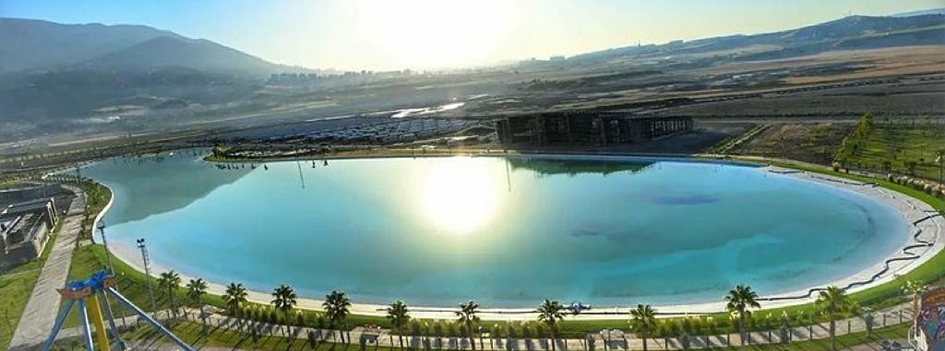
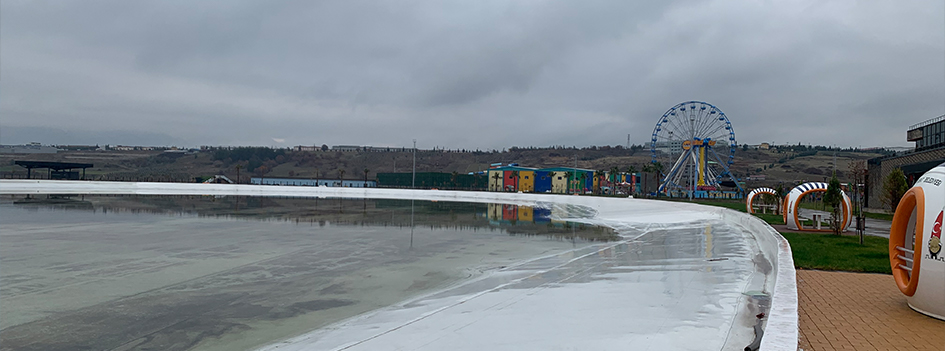
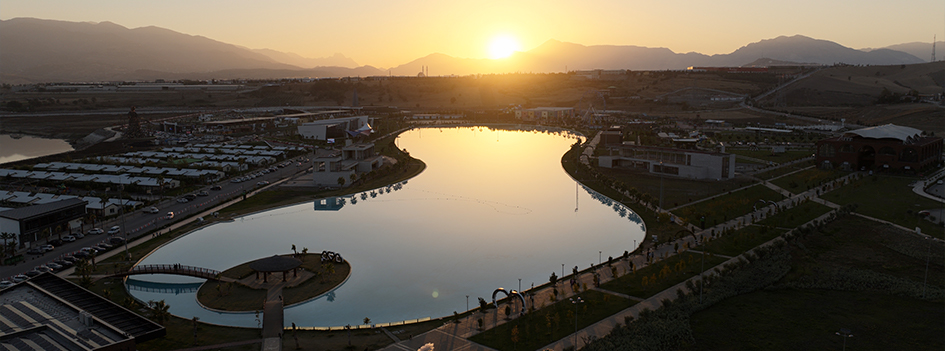
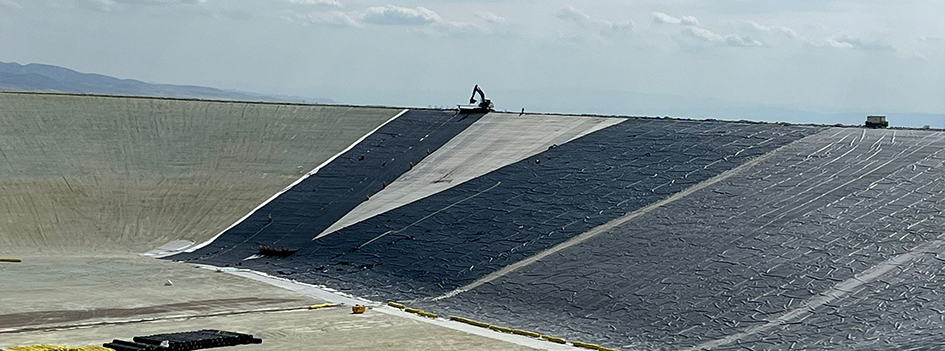
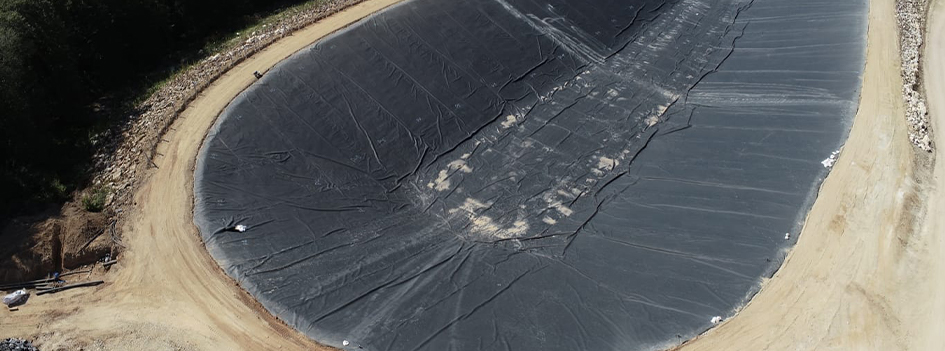
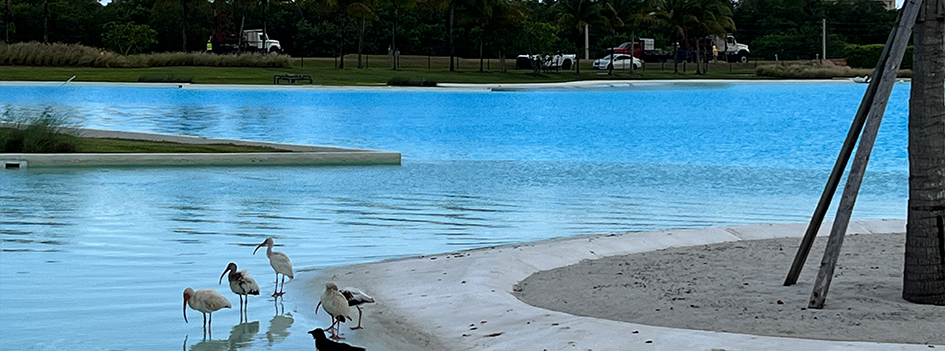
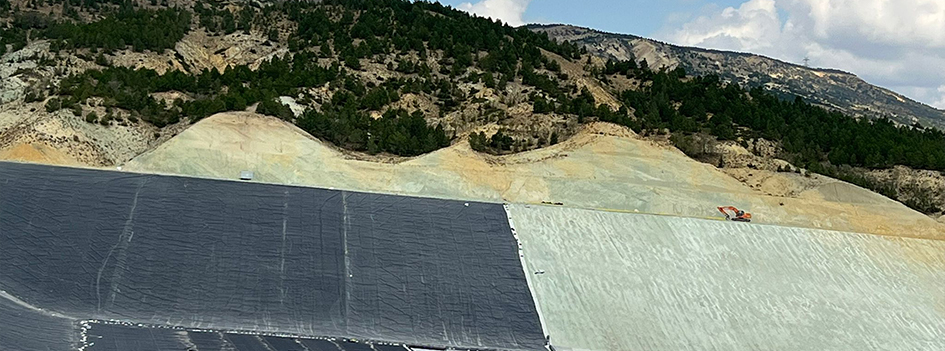
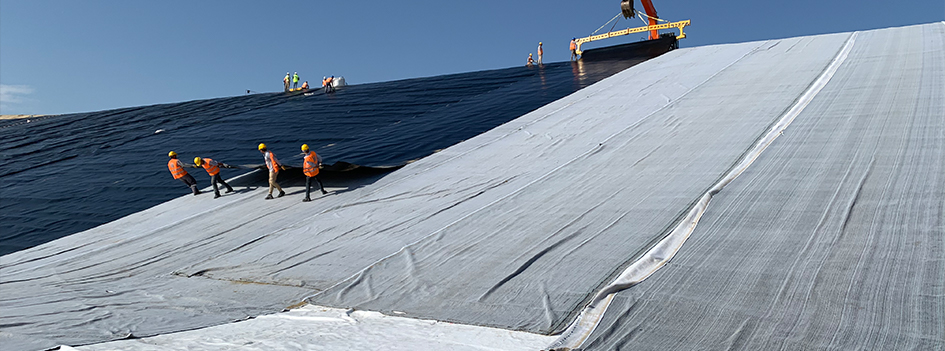
The use of geosynthetic products in artificial sea projects such as Crystal Lagoons is critical for water conservation, preventing leaks and ensuring structural stability. Since these projects aim to create large-scale and aesthetically attractive water bodies, geosynthetic materials provide efficient and sustainable solutions by minimizing environmental impacts. Here are the main geosynthetic products used in artificial seas such as Crystal Lagoons and their areas of use:
Main Geosynthetic Products Used in Artificial Sea Projects
1. Geomembranes
HDPE (High Density Polyethylene): HDPE geomembranes are known for their durability and waterproof properties. It is widely used to prevent water seepage on artificial seabeds and edges.
PVC (Polyvinyl Chloride): PVC geomembranes are preferred due to their flexibility and easy applicability. They can adapt to irregular surfaces and form a waterproof barrier.
2. Geotextiles
Protection and Stabilization: Geotextiles provide stabilization of the base and edges by protecting geomembranes. Additionally, it protects water quality by performing a filtration function.
Erosion Control: Geotextiles prevent erosion on artificial sea edges and sloped areas.
3. Geocomposites
Drainage and Barrier Function: Geocomposites supply drainage and waterproofing functions together. Controls water leakage on the artificial seabed and its edges.
4. Geosynthetic Clay Liners (GCL)
Waterproof Barrier: GCLs are a combination of natural clay and synthetic materials and provide a waterproof barrier. It is used to prevent leakage in artificial seas.
Usage Areas and Advantages of Geosynthetic Products
1. Preventing Water Leakage
Geomembranes and GCLs minimize water loss by preventing water leakage at the bottom and edges of artificial seas. This ensures continuous conservation of water and reduces operating costs.
2. Stability and Erosion Control
Geotextiles and geogrids increase the stability of artificial seashores and prevent erosion. This ensures the longevity of the structure and minimizes environmental impacts.
3. Protecting Water Quality
Geotextiles and geomembranes protect water quality and prevent the formation of algae and pollution in artificial seas. This is important for aesthetics and health
4. Cost Effectiveness and Ease of Installation
The use of geosynthetic products is lower cost than traditional methods and provides long-lasting solutions. Additionally, these products can be applied quickly and easily, speeding up construction processes and reducing labor.
Sample Usage Scenarios
1. Touristic and Recreational Areas
In large-scale artificial marine projects such as Crystal Lagoons, geomembranes and geotextiles are used to prevent water leakage and maintain water quality. These areas provide an attractive environment for tourists and visitors.
2. Residential and Commercial Developments
Artificial seas are used to add aesthetics and value in residential and commercial projects. Geosynthetic products enable these water bodies to be managed efficiently and sustainably.
3. Environmental Protection Projects
Geosynthetic products help minimize environmental impacts in artificial sea projects. It protects underground water resources and prevents erosion by preventing water leakage.
Prominent Advantages of Using Geosynthetic Products
Long-lasting and Durable: Geosynthetic materials are long-lasting and durable, which reduces maintenance and repair costs.
Environmentally Friendly: It protects underground water resources and minimizes environmental impacts by preventing water leakage.
Aesthetic and Functional: While increasing the aesthetic value of artificial seas, it also offers functional and sustainable solutions.
The use of geosynthetic products in artificial sea projects such as Crystal Lagoons ensures efficient water conservation, environmental protection and long-lasting structures. These products play an important role in creating large-scale and aesthetically attractive water bodies.
Main Geosynthetic Products Used in Artificial Sea Projects
1. Geomembranes
HDPE (High Density Polyethylene): HDPE geomembranes are known for their durability and waterproof properties. It is widely used to prevent water seepage on artificial seabeds and edges.
PVC (Polyvinyl Chloride): PVC geomembranes are preferred due to their flexibility and easy applicability. They can adapt to irregular surfaces and form a waterproof barrier.
2. Geotextiles
Protection and Stabilization: Geotextiles provide stabilization of the base and edges by protecting geomembranes. Additionally, it protects water quality by performing a filtration function.
Erosion Control: Geotextiles prevent erosion on artificial sea edges and sloped areas.
3. Geocomposites
Drainage and Barrier Function: Geocomposites supply drainage and waterproofing functions together. Controls water leakage on the artificial seabed and its edges.
4. Geosynthetic Clay Liners (GCL)
Waterproof Barrier: GCLs are a combination of natural clay and synthetic materials and provide a waterproof barrier. It is used to prevent leakage in artificial seas.
Usage Areas and Advantages of Geosynthetic Products
1. Preventing Water Leakage
Geomembranes and GCLs minimize water loss by preventing water leakage at the bottom and edges of artificial seas. This ensures continuous conservation of water and reduces operating costs.
2. Stability and Erosion Control
Geotextiles and geogrids increase the stability of artificial seashores and prevent erosion. This ensures the longevity of the structure and minimizes environmental impacts.
3. Protecting Water Quality
Geotextiles and geomembranes protect water quality and prevent the formation of algae and pollution in artificial seas. This is important for aesthetics and health
4. Cost Effectiveness and Ease of Installation
The use of geosynthetic products is lower cost than traditional methods and provides long-lasting solutions. Additionally, these products can be applied quickly and easily, speeding up construction processes and reducing labor.
Sample Usage Scenarios
1. Touristic and Recreational Areas
In large-scale artificial marine projects such as Crystal Lagoons, geomembranes and geotextiles are used to prevent water leakage and maintain water quality. These areas provide an attractive environment for tourists and visitors.
2. Residential and Commercial Developments
Artificial seas are used to add aesthetics and value in residential and commercial projects. Geosynthetic products enable these water bodies to be managed efficiently and sustainably.
3. Environmental Protection Projects
Geosynthetic products help minimize environmental impacts in artificial sea projects. It protects underground water resources and prevents erosion by preventing water leakage.
Prominent Advantages of Using Geosynthetic Products
Long-lasting and Durable: Geosynthetic materials are long-lasting and durable, which reduces maintenance and repair costs.
Environmentally Friendly: It protects underground water resources and minimizes environmental impacts by preventing water leakage.
Aesthetic and Functional: While increasing the aesthetic value of artificial seas, it also offers functional and sustainable solutions.
The use of geosynthetic products in artificial sea projects such as Crystal Lagoons ensures efficient water conservation, environmental protection and long-lasting structures. These products play an important role in creating large-scale and aesthetically attractive water bodies.